Decorative Elements and Branches SVG: Graphics & Illustrations
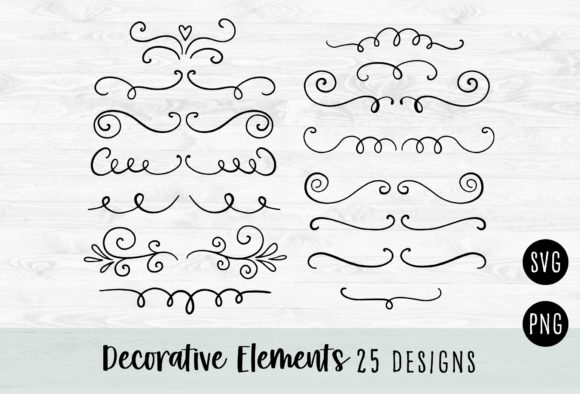
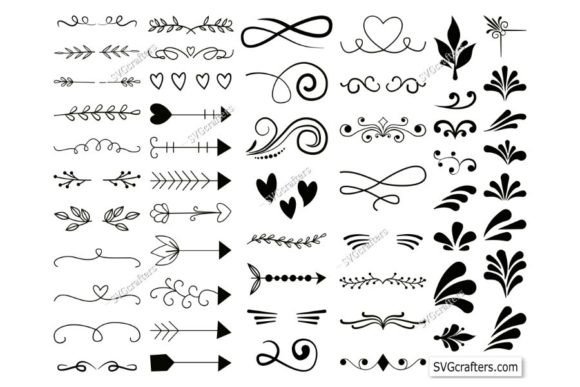
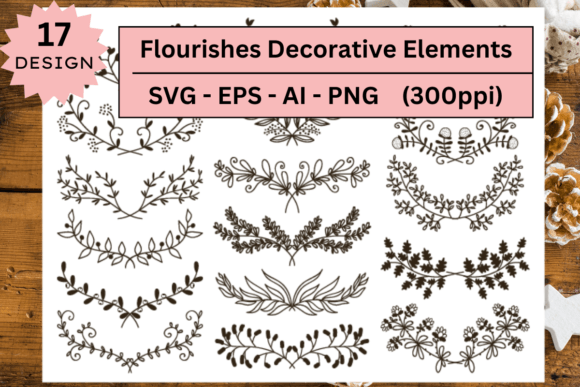
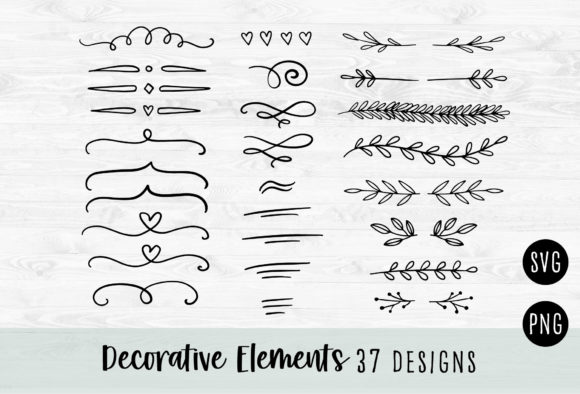
As a brand designer who’s developed visual identities for over 40 local businesses—from artisanal bakeries in Portland to hand-poured candle studios in Asheville—I opened Decorative Elements and Branches SVG expecting charm. What I found was something more valuable: quiet versatility. These aren’t just clipart flourishes. They’re hand-drawn branches, organic swirls, delicate dividers, and soft ornaments that breathe warmth into small business branding without shouting.
A First Impression That Feels Like a Conversation
The collection leans into an organic, gently handmade mood—neither overly rustic nor aggressively modern. Think dried lavender stems, inked vine tendrils, and airy swirls that taper like breath. It suggests approachability, care, and intentionality—not mass production. For a local skincare brand launching a seasonal chamomile line, these elements instantly reinforced calm and botanical authenticity. For a children’s toy shop rebranding its gift tags and window decals, the same branch motifs read as playful yet refined.
This isn’t “festive” in a holiday-only sense—it’s seasonal in the way real local businesses operate: rotating labels for summer preserves, autumn soap bundles, spring floral arrangements. The hand-drawn quality avoids sterility; the clean vector paths avoid pixelation. That balance is rare—and critical when your packaging goes from Instagram post to pantry shelf.
Where Decorative Elements and Branches SVG Earn Its Keep
In real-world use, this graphic design asset shines where subtlety builds trust:
- Product labels: A single branch curling beneath a small-batch honey jar name adds hierarchy and craft cues—no extra copy needed.
- Packaging accents: Used as top/bottom borders on kraft boxes or die-cut sticker backings, it frames content without competing with ingredients or certifications.
- Thank-you cards & hang tags: Paired with a serif font and muted brand color, it elevates perceived value—especially for handmade businesses shipping direct-to-customer.
- Social media graphics: As subtle corner flourishes on Instagram Story templates or carousel headers, it creates continuity across campaigns without demanding attention.
- Seasonal campaign visuals: Swirls and ornaments scale beautifully for limited-edition packaging—think cinnamon roll boxes for December or wildflower soap sets for May.
It strengthens first impressions by grounding digital and physical touchpoints in shared visual language. When a customer sees the same delicate divider on your website banner, product label, and receipt stamp—they subconsciously register consistency. That consistency builds recognition. Recognition builds trust. Trust converts.
Where to Use It Thoughtfully (Not Everywhere)
Like any strong design asset, Decorative Elements and Branches SVG has boundaries. It doesn’t serve formal corporate branding—its softness undermines authority in legal, financial, or B2B contexts. Avoid placing it directly beside dense ingredient lists or regulatory text on food labels; it can muddy readability. On ultra-minimalist luxury brands (think monochrome ceramic mugs or matte-black skincare), these flourishes may dilute the intended restraint.
Also test carefully on low-contrast backgrounds: a light grey swirl on cream paper disappears at shelf level. And never assume it works at 2mm height—many ornamental elements lose legibility below 6pt when printed. If your coffee bag uses tiny batch numbers or harvest dates, preview the divider SVG beside them in actual size.
Practical Brand Designer Notes You’ll Actually Use
Before committing to Decorative Elements and Branches SVG in client work, here’s my real-project checklist:
- Test on real packaging mockups—not just screen previews. Print a 3x5” label with your brand color + one branch element. Hold it next to competitor products under store lighting.
- Check black-and-white usage. Does the flourish retain shape and weight when converted to grayscale? Critical for cost-conscious print runs or fax-friendly materials.
- Preview alongside your full type system: Try each element beside serif (e.g., Playfair), sans serif (e.g., Inter), script (e.g., Pacifico), and handwritten fonts. Some swirls clash with tight letter spacing; others harmonize beautifully.
- Verify SVG editability. Open in Illustrator—can you adjust stroke weight, simplify anchor points, or recolor without rasterization? Not all “SVG” files are truly vector-clean.
- Confirm commercial license scope. Does it cover physical product sales, resale of branded merchandise, or SaaS-based Canva templates you build for clients? Never assume.
- Compare PNG transparency. If using for web banners or social ads, check anti-aliasing on edges—some exported PNGs leave faint halos against colored backgrounds.
For small business branding, this isn’t about decoration for decoration’s sake. It’s about using intentional illustration to signal values: care in sourcing, pride in making, respect for the customer’s eye. A well-placed hand-drawn branch on a soap label tells a story no tagline needs to repeat.
Final Thought: Less Is Anchored, More Is Lost
The strongest local brands don’t shout. They invite. Decorative Elements and Branches SVG gives you tools to do exactly that—with elegance, flexibility, and quiet confidence. Whether you’re designing for a florist’s seasonal newsletter, a boutique’s gift wrap system, or a food business’s compostable pouch labels, these illustrations support your message instead of obscuring it. Used with restraint and tested in context, they become part of your brand identity—not just a graphic design asset you downloaded. That’s how small business branding earns staying power.