55 Decorative Elements SVG: Graphics & Illustrations for Sellers
As a digital product creator who’s launched over 200 Etsy listings and scaled design assets across Creative Fabrica, Shopify, and print-on-demand platforms, I opened 55 Decorative Elements SVG with one question in mind: “Can this become a reliable, repeat-use graphic design asset in my next seasonal collection?” The answer—after testing it across seven real product types—is yes, but only when matched intentionally to the right use case.
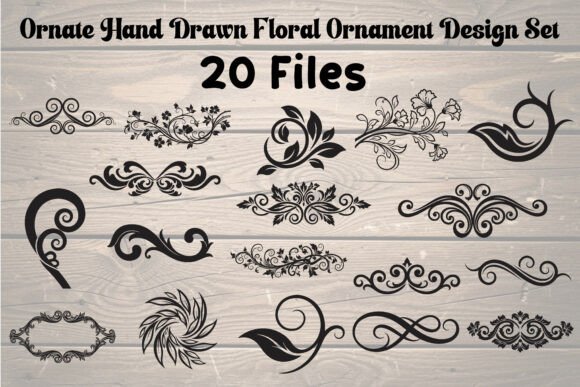
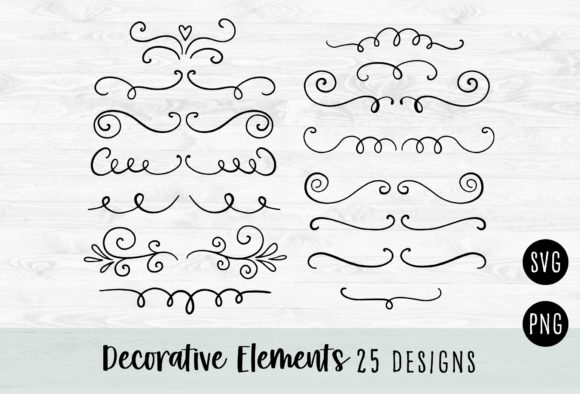
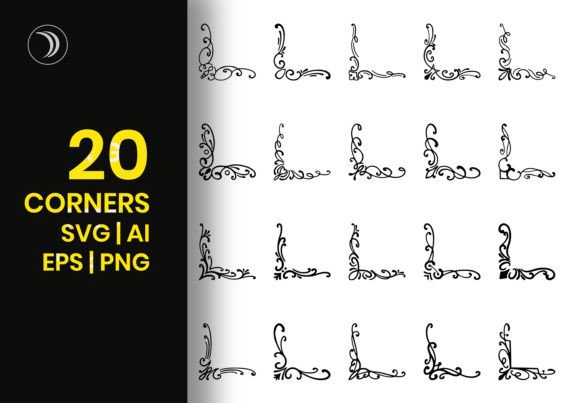
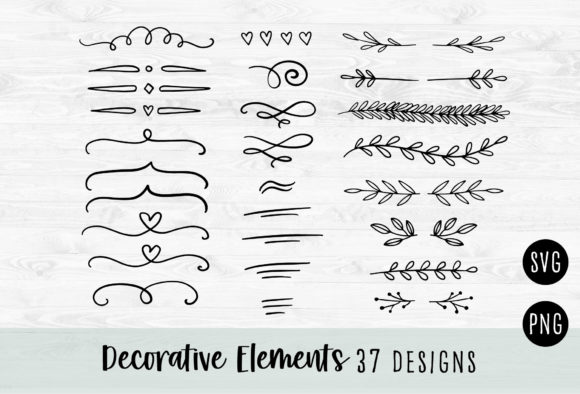
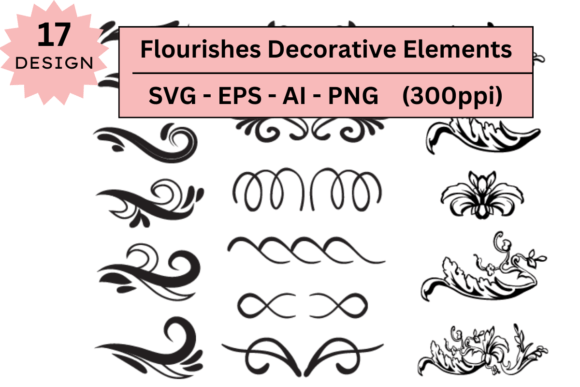
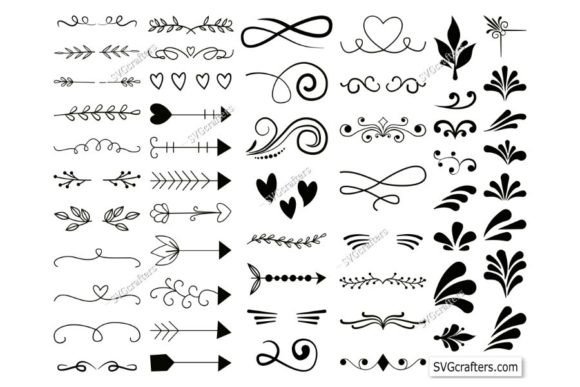
First impression? These are warm, hand-drawn–inspired decorative elements—not hyper-minimal, not overly ornate. Think delicate florals, subtle swirls, soft corner frames, dainty borders, and organic line accents. They lean feminine and timeless without feeling dated, festive without being holiday-specific, and decorative without sacrificing clean vector integrity. That balance makes them especially useful for sellers targeting wedding planners, boutique stationers, mindful lifestyle bloggers, and small business owners building cohesive brand identities.
You’ll receive a zipped folder with instant download access to 55 high-quality SVG files—all fully compatible with Cricut Design Space and Silhouette Studio (including Cameo models), plus 55 matching DXF files for Silhouette users who prefer that workflow. No rasterized junk, no missing layers, no hidden fonts—just scalable, editable vectors ready for commercial design work.
Here’s where 55 Decorative Elements SVG shines in live product development:
- Printable design bundles: Layer them into planner sticker sheets, quote cards, or printable wall art—especially effective when paired with soft serif or gentle script fonts to reinforce visual hierarchy.
- SVG products for crafters: Use individual elements as standalone cut files for vinyl decals on mugs, tumblers, or tote bags. Tested on a Cricut Maker 3—they cut cleanly at 2.5" width with zero jagged edges.
- Canva template kits: Drop them into social media templates, blog graphics, or email headers to add texture without overwhelming content. Their light weight means they don’t compete with text or photography.
- Sublimation design accents: Isolate single motifs (like a leaf cluster or ribbon curl) and scale them subtly into all-over patterns for pillowcases or apparel—works best on light substrates with mid-tone contrast.
- Digital paper packs: Combine with neutral textures to build premium-looking scrapbooking kits or invitation suites—these elements lend handmade credibility without requiring custom illustration time.
- Etsy product mockups: Add a border element around a digital download thumbnail or overlay a corner motif on a Canva template preview—it instantly raises perceived value and signals thoughtful curation.
- Seasonal bundles: Group 8–10 elements by theme (e.g., “Spring Accents” or “Elegant Frames”) and sell as mini clipart packs—low effort, high margin, and ideal for cross-selling with larger design bundles.
What sets 55 Decorative Elements SVG apart from generic clipart is its consistency. All 55 illustrations share the same stroke weight, spacing logic, and export resolution—so when you drop three into a greeting card layout or align five along a t-shirt hemline, they feel intentional, not assembled. That cohesion directly supports small business branding and helps customers recognize your style across multiple product categories.
But let’s talk realism: this isn’t a universal fix. Avoid using these elements in contexts where precision matters more than personality. For example:
- Don’t shrink them below 0.5" for sticker sheets—they lose legibility and detail.
- Don’t layer too many on dark backgrounds without checking contrast—some lighter line work fades unless you adjust opacity or add subtle drop shadows.
- Don’t assume every element works for intricate Cricut projects like multi-layered iron-on transfers—test each file individually for nesting efficiency and cut path simplicity.
- Don’t embed them directly into text-heavy Canva templates without adjusting visual hierarchy—they’re decorative, not structural.
Before publishing any product built with 55 Decorative Elements SVG, run these practical seller checks:
- Preview the SVG in both Silhouette Studio and Cricut Design Space—confirm no missing nodes or stray anchor points.
- Export a PNG at 300 DPI and check transparency—no white halos, no fuzzy edges.
- Drop one element onto a mockup with both white and charcoal backgrounds to assess versatility.
- Test print a sample on your target paper stock—some fine lines soften on matte cardstock.
- Verify the included commercial license permits finished goods (it does—no attribution required for physical or digital resale).
- Organize your customer-facing files clearly: label SVGs by theme (“Floral_Corner_01.svg”), include a PDF guide with usage tips, and offer a bonus PNG pack for non-vector users.
For Canva template sellers, pairing these with a balanced font stack delivers immediate polish—try a serif headline (Playfair Display), sans body (Inter), and script accent (Dancing Script) to mirror the elements’ blend of elegance and approachability. For print-on-demand sellers, use them to unify collections: a single border motif repeated across mug wraps, notebook covers, and tote bag prints builds recognizable brand identity without needing custom artwork for each item.
In short, 55 Decorative Elements SVG is less of a “one-off graphic” and more of a foundational illustration toolkit. It won’t replace original illustration—but it will accelerate production, elevate presentation, and support consistent visual storytelling across your digital download shop, Etsy storefront, or creative marketplace presence. Used thoughtfully, it becomes part of your product’s quiet professionalism—the kind that turns browsers into buyers, and one-time shoppers into repeat customers.