Oval Filigree Border: Vintage Graphics & Illustrations
As a brand designer who’s helped over 80 local businesses refine their visual identity—from artisanal bakeries in Portland to hand-poured candle studios in Asheville—I recently evaluated the Oval Filigree Border. Decorative Vintage for a real client project: a small-batch botanical skincare line launching its first line of lavender-honey body balms. My goal wasn’t just aesthetic fit—it was functional alignment across packaging, labels, social media, and in-store signage. Here’s what I discovered.
A First Impression That Speaks Before You Do
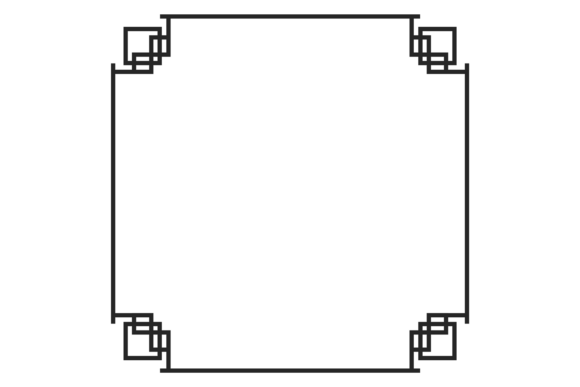
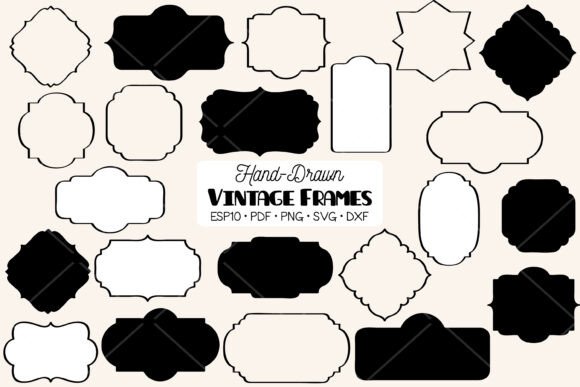
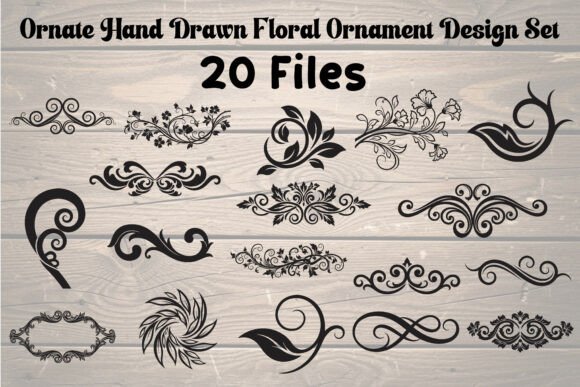
The Oval Filigree Border. Decorative Vintage lands with quiet elegance—not loud, not fussy, but undeniably intentional. Its delicate scrollwork and balanced symmetry evoke heritage craftsmanship, soft femininity, and gentle sophistication. It reads as handmade but polished, vintage but not dated, and decorative but never overwhelming. For local businesses rooted in authenticity—think farmhouse florists, ceramic studios, or heirloom jam makers—this graphic design asset signals care, tradition, and attention to detail before a single word is read.
Where It Earns Its Place in Real Small Business Branding
This isn’t clipart you drop in and forget. Used thoughtfully, the Oval Filigree Border. Decorative Vintage becomes a quiet anchor across touchpoints:
- Packaging design: Framing product names on amber glass apothecary jars or kraft paper boxes—adding shelf appeal without competing with ingredients or certifications.
- Product label: Encircling “Small Batch • Hand-Poured • Made in Austin” on candle labels or soap tags, reinforcing artisan credibility.
- Social media graphics: Subtly framing hero shots of seasonal offerings (e.g., pumpkin spice latte sleeves or holiday gift sets) for Instagram carousels and Pinterest pins.
- Printable design: Elevating thank-you cards, recipe inserts, or loyalty program stickers—turning transactional moments into tactile brand experiences.
- Local business signage: Scaling it down for chalkboard menu headers or window decals at coffee shops or boutiques, where warmth matters more than minimalism.
How It Strengthens Customer Trust & Visual Consistency
In crowded markets—especially food, beauty, and handmade goods—consistency builds familiarity, and familiarity builds trust. The Oval Filigree Border. Decorative Vintage serves as a repeatable visual motif that ties together otherwise disparate assets: a jar label, a website banner, a Canva template for weekly email headers, and even a printed price list at a farmers’ market booth. That repetition creates stronger first impressions, clearer visual hierarchy (guiding eyes to product names or key benefits), and more professional packaging—critical when your product sits beside national brands on a boutique shelf.
Best Fit: Contexts Where It Shines
This illustration works hardest where intentionality and warmth are strategic advantages:
- Product mockups for Etsy or Shopify listings—adding instant perceived value to digital previews.
- Seasonal campaign visuals (spring floral launches, holiday gift bundles) where decorative charm supports storytelling.
- Boutique visuals like hang tags, gift wrap accents, or branded tissue paper patterns.
- Hero graphics for landing pages or email headers—framing photography of locally sourced ingredients or studio process shots.
- Editorial design elements in print catalogs or zines for creative entrepreneurs.
Where to Proceed With Intention
Not every context benefits from ornamentation. Use the Oval Filigree Border. Decorative Vintage carefully—or avoid it entirely—in these situations:
- Formal corporate branding (e.g., law firms, financial advisors) where clarity and neutrality trump decoration.
- Very small product labels (under 2” x 2”) where fine filigree details risk blurring or disappearing in print.
- Crowded packaging layouts with dense ingredient lists, certifications, or legal disclaimers—the border must never compete with required information.
- Low-contrast backgrounds (e.g., light gray on off-white) where SVG or transparent PNG edges may soften unpredictably.
- Luxury minimalist brands relying on negative space and restrained typography—here, it can dilute brand voice.
Practical Brand Designer Notes (From Real Client Work)
Before committing this graphic design asset to final files, I always run these checks:
- Test it on real packaging mockups—not just digital previews—to assess scale, proportion, and legibility at actual size.
- Convert to grayscale: Does the filigree retain definition? Critical for black-and-white printing (e.g., bakery napkins or café coasters).
- Preview alongside your brand colors: Does it harmonize with warm terracotta, cool sage, or creamy vanilla—or does it clash with high-saturation hues?
- Compare against competitor packaging: Does it differentiate your product or unintentionally echo another local brand?
- Inspect SVG editability: Can you adjust stroke weight or simplify nodes for smaller applications? Not all SVGs are built equally.
- Test transparency: Does the PNG hold crisp edges on both light and dark backgrounds? Essential for social media graphics.
- Pair with typography: Try it beside serif (e.g., Playfair Display), sans serif (e.g., Montserrat), script (e.g., Pacifico), and handwritten fonts—does it support or distract from your voice?
- Confirm commercial license: Especially for physical product sales, ensure usage rights cover packaging, labels, and digital marketing visuals—not just personal projects.
Final Thought: Decoration With Purpose
The Oval Filigree Border. Decorative Vintage succeeds because it’s not merely decorative—it’s strategic decoration. In an era where small business branding hinges on emotional resonance and tangible authenticity, this illustration helps local brands say, “We made this with care,” before customers even read the label. Whether you’re designing for a candle brand in Savannah, a kombucha taproom in Denver, or a children’s toy shop in Nashville, it’s a versatile, timeless, and quietly powerful tool—if used with intention, tested in context, and aligned with your brand’s true voice. For handmade business owners and creative entrepreneurs building something real, that kind of thoughtful design asset isn’t just nice to have—it’s essential infrastructure.