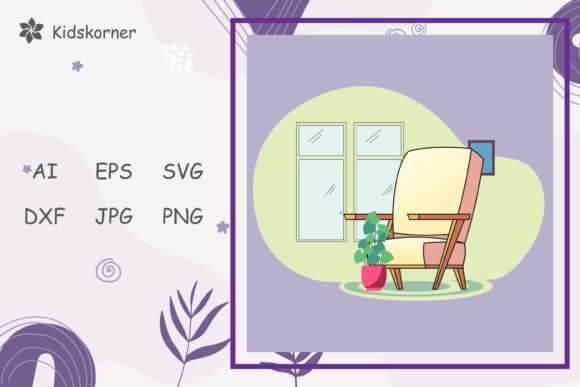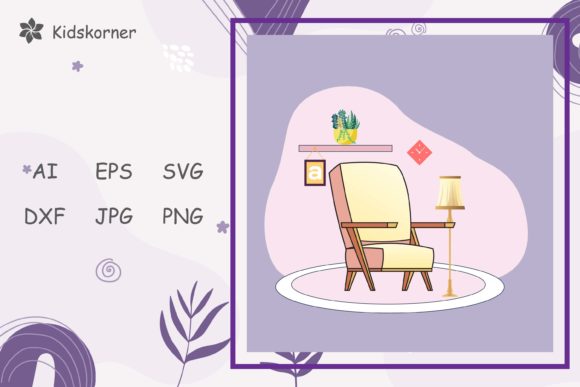
Living Room Decorative Furniture Graphics
As a digital product creator with years of experience in online selling, I’ve seen my fair share of graphic design assets. Today, I’m evaluating Living Room Decorative Furniture, a set of illustrations that could be a valuable addition to any creative marketplace or print-on-demand shop. Let’s take a closer look at what this asset offers and how it fits into the world of digital selling.
First Impressions
The first thing that caught my eye was the visual personality of Living Room Decorative Furniture. It feels modern yet warm, with a subtle elegance that suggests a curated, lifestyle-focused audience. The design is clean and minimal, which makes it versatile for various applications. Whether you're targeting a minimalist aesthetic or a cozy, homey vibe, this asset has the potential to appeal to a broad range of buyers.
The illustrations are well-structured and cohesive, which is a big plus for anyone looking to build a brand identity around their products. It doesn’t feel cluttered, and the details are just right—enough to add character without overwhelming the viewer. This balance is key when creating designs for Etsy, Canva templates, or even social media graphics.
Potential Uses in Product Creation
Living Room Decorative Furniture is a versatile graphic design asset that can be used across multiple platforms and product types. Here are some real-world applications:
- SVG Designs: Perfect for Cricut projects, sticker designs, and printable wall art.
- PNG Files: Ideal for t-shirt graphics, mug designs, and digital downloads.
- Clipart Bundles: Great for creating printable templates or themed collections.
- Sublimation Designs: Suitable for custom apparel and fabric prints.
- Canva Templates: Easily integrated into blog graphics, social media posts, and promotional visuals.
- Printable Wall Art: Offers a high-quality option for framed decor or DIY projects.
- Product Mockups: Works well for showcasing merchandise on platforms like Etsy or Shopify.
With its clear lines and clean composition, Living Room Decorative Furniture is also great for creating packaging design and branding elements that support small business branding efforts.
Testing Before Publishing
Before launching any new product, it's crucial to test your design in real-life scenarios. For example, if you're planning a seasonal collection, consider how Living Room Decorative Furniture looks on different product backgrounds and in various formats. Test it as a marketplace thumbnail to ensure it stands out in search results.
Also, check how the design performs on both white and dark backgrounds. A good contrast is essential for maintaining visibility and appeal. Additionally, verify the PNG transparency and SVG cut quality, especially if you're planning to use these files for Cricut or Silhouette projects.
Don’t forget to test print colors. Even though this is a digital asset, it should translate well to physical products. If you’re using it for print-on-demand, make sure the resolution is up to standard and that the file sizes are optimized for quick uploads and fast processing times.
Where It Excels
Living Room Decorative Furniture shines in areas where a clean, professional look is needed. It works exceptionally well for large product previews, especially when paired with other design assets to create themed bundles. Its versatility also makes it ideal for decorative layouts and printable products that require a premium feel.
When used in digital download shops or creative marketplaces, this asset can help build a cohesive brand identity. It supports visual storytelling by allowing sellers to create consistent, appealing listings that resonate with customers.
For social media promotions and product mockups, the design’s clarity and detail make it an excellent choice. It adds value to customer trust and perceived quality, which is vital in competitive markets.
Where to Use Carefully
While Living Room Decorative Furniture is highly adaptable, there are situations where it may not perform as well. For instance, when used in tiny sticker details or text-heavy templates, the design might become too subtle or lose its impact. It’s important to pair it with appropriate fonts to maintain readability and visual hierarchy.
Additionally, avoid using this asset on low-resolution print products or crowded thumbnails. The design’s simplicity can be a double-edged sword—if not handled correctly, it might blend in too much with other elements and fail to stand out.
Dark backgrounds can also pose challenges. While the design maintains good contrast, it’s always wise to test it in different lighting conditions and environments to ensure it remains effective across all uses.
Seller Notes for Success
Here are some practical tips to help you maximize the potential of Living Room Decorative Furniture:
- Test the design on real mockups to see how it looks in context.
- Preview it as a marketplace thumbnail to ensure it attracts clicks.
- Check how it appears on both white and dark backgrounds.
- Verify PNG transparency and SVG cut quality before finalizing your product.
- Confirm file resolution and organize files clearly for customer convenience.
- Pair it with serif, sans serif, script, or handwritten fonts for better visual storytelling.
- Ensure you have a commercial license before selling finished products.
By following these steps, you can confidently incorporate Living Room Decorative Furniture into your product line and enhance your brand’s visual appeal.