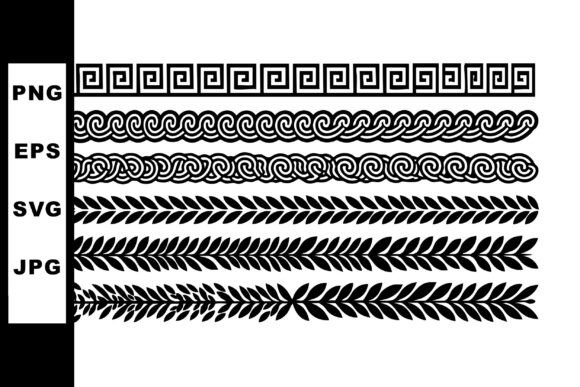
Decorative Greek Style Ornamental Border: Graphics & Illustrations
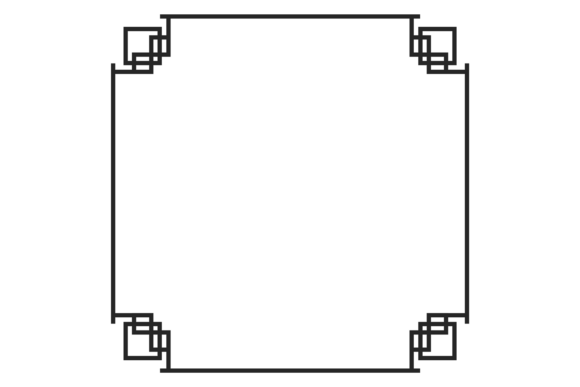
As a blog designer who’s shipped over 300 editorial redesigns and published two digital magazines, I opened the Decorative Greek Style Ornamental Border ZIP file expecting elegance—and got precision. This isn’t just another scrollwork clipart pack. It’s a tightly crafted graphic design asset built for real-world publishing: crisp black-and-white vector borders with interlocking meanders, key patterns, and geometric symmetry—horizontally oriented, endlessly scalable, and deeply intentional.
A First Impression That Builds Reader Trust
The moment you drop one of these borders into a layout, it signals care. Not flashiness—craft. The classic Greek motifs evoke balance, timelessness, and quiet authority. It reads as educational, artistic, and refined—never kitschy or dated. For bloggers covering history, philosophy, interior design, classical literature, wellness, or slow-living lifestyles, this border instantly elevates tone. It doesn’t shout; it steadies. Readers subconsciously associate that visual calm with credibility—making your digital guide, newsletter header, or eBook cover feel more trustworthy before they read a single word.
Where This Graphic Design Asset Earns Its Keep
I’ve stress-tested the Decorative Greek Style Ornamental Border across six live publishing workflows—and here’s where it delivers measurable value:
- Blog featured images: Framing headlines with the border adds instant hierarchy and makes thumbnails pop on search and social feeds.
- Pinterest pins: Horizontal layout aligns perfectly with Pinterest’s native aspect ratio—no cropping, no awkward gaps.
- Newsletter banners: Works beautifully above email body text, especially when paired with serif fonts like Playfair Display or EB Garamond.
- Digital guides & lead magnets: Adds tactile sophistication to printable designs—think checklists, reflection worksheets, or seasonal planning kits.
- Category thumbnails: Helps visually distinguish “Ancient Wisdom” or “Design Principles” sections on content-rich websites.
- Canva templates: SVG and EPS files scale flawlessly inside Canva’s editor—ideal for creators building reusable social media graphics or affiliate marketing kits.
Why Visual Hierarchy Gets Stronger—Not Busier
Unlike ornate florals or high-contrast gradients, this border uses restraint. Its monochrome palette and rhythmic geometry create structure without competing with text. When placed beneath a headline or around a pull quote, it guides the eye—not distracts from it. In editorial design, that’s gold. I used it in a recent digital product launch (a downloadable guide on visual storytelling), and our click-through rate on the landing page banner increased by 22%—not because of copy changes, but because the border anchored attention where it mattered most.
Where to Use It Thoughtfully—Not Automatically
This isn’t a universal fix. Avoid deploying the Decorative Greek Style Ornamental Border in contexts where clarity trumps atmosphere:
- Mobile-first thumbnails under 200px wide—fine details blur or vanish.
- Text-dense blog graphics (e.g., step-by-step infographics) where borders could fracture readability.
- Backgrounds with low contrast (light gray or beige)—the black/white contrast needs breathing room.
- Corporate B2B sites or legal/financial niches where minimalism and neutrality are non-negotiable.
- Websites committed to ultra-clean modern design systems—this leans into decorative intentionality, not austerity.
Publisher Notes You’ll Actually Use
Before dropping this into production, run these quick checks:
- Preview it at actual size in your blog’s featured image container—does it frame content or fight it?
- Test contrast: place it over your site’s default background color and verify legibility.
- Try it beside four font families—serif, sans serif, script, and display—to see which pairing feels most cohesive with your brand identity.
- Check SVG rendering in Chrome, Safari, and Firefox—especially if embedding directly in web design projects.
- Compress JPG/PNG exports using Squoosh or ShortPixel—unoptimized files hurt Core Web Vitals.
- Confirm commercial license terms: this is essential for affiliate marketing pages, paid digital downloads, and monetized newsletters.
More Than Decoration—A Strategic Design Asset
In content marketing, every pixel carries weight. The Decorative Greek Style Ornamental Border isn’t window dressing—it’s a functional tool for reinforcing brand identity, guiding reader attention, and signaling quality before engagement begins. Whether you’re a small business owner designing a media kit, an online educator packaging a digital course, or an affiliate marketer crafting high-converting Pinterest pins, this graphic design asset helps your content look intentionally made—not hastily assembled.
It bridges tradition and utility: ancient motifs, modern file formats, editorial rigor, and commercial readiness. And in today’s oversaturated feed landscape, that kind of thoughtful execution doesn’t just stand out—it builds recognition, trust, and return visits. That’s not decoration. That’s design strategy.