Decorative Fly Bee
A First Impression That Speaks Volumes
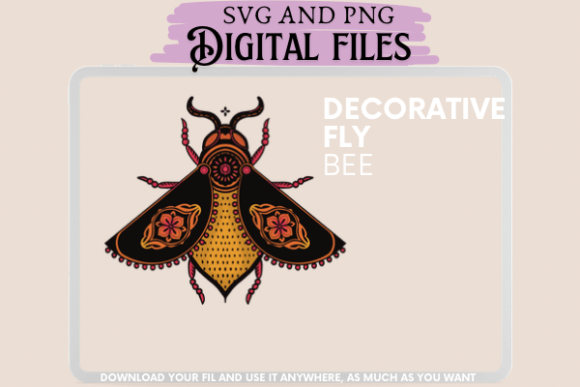
The moment I opened the zip file for Decorative Fly Bee, I was struck by its clean, organic feel. The illustration of a bee in flight is both playful and refined, with a subtle sense of movement that suggests it’s meant to be more than just a static image. It carries a gentle whimsy that makes it appealing for a wide range of projects, from personalized gifts to boutique branding. The design is not overly detailed, which is a good sign—it suggests versatility and ease of use.
Design Layout and Visual Personality
At first glance, Decorative Fly Bee feels like something you'd find on a vintage postcard or a hand-drawn sketchbook page. Its layout is balanced and uncluttered, making it easy to stitch without overwhelming the fabric. The bee’s wings are rendered with a soft gradient effect that adds depth without requiring excessive stitch density. This makes it ideal for those who want a subtle yet eye-catching design.
What stands out is the way the bee is positioned—mid-flight, as if caught in a moment of motion. This gives the design a dynamic quality that can bring life to otherwise plain garments or home goods. The overall mood is light and approachable, which makes it a great fit for a variety of applications, from casual wear to festive holiday items.
Real-Life Embroidery Use Cases
When thinking about real-life applications, Decorative Fly Bee immediately brings to mind custom apparel projects. A sweatshirt or tote bag featuring this design could add a touch of charm to everyday wear. For instance, imagine a custom embroidered tote bag with the bee as a central motif. It would work beautifully as a handmade product or Etsy listing, especially during spring or summer when floral and insect themes are in season.
It also has potential for baby items, such as onesies or bibs. The bee's friendly appearance makes it suitable for children's clothing, and its simplicity ensures it won’t overwhelm small areas. Another possibility is using it as an embroidered patch, which could be sewn onto caps, aprons, or even DIY craft projects.
For commercial embroidery, Decorative Fly Bee could be used as a logo or branding element. A boutique or small shop might incorporate it into their packaging or promotional materials. It also works well as a decorative accent on kitchen towels, pillow covers, or tea towels—items that benefit from subtle, elegant designs.
Considerations for Real-World Embroidery
While Decorative Fly Bee is versatile, there are some situations where it may require extra care. For example, using it on small hoop sizes could result in a loss of detail, especially in the wings or body. Similarly, on textured or stretchy fabrics, the design may not hold its shape as well, so testing on scrap fabric is essential before committing to a final product.
Dark fabrics can also pose a challenge. Without proper thread color contrast, the bee might blend in too much. It’s always wise to review the design in black and white mockups and consider how it will look on different backgrounds. Additionally, the design’s intricate corners and delicate wing edges may need careful handling to avoid distortion during stitching.
Impact on Product Value and Customer Trust
When it comes to handmade products, the visual appeal of a design plays a crucial role in customer trust and satisfaction. Decorative Fly Bee contributes positively to both. Its clean lines and thoughtful composition make it visually appealing, which enhances the perceived value of any item it adorns.
For Etsy sellers or small shop owners, the design’s ability to be modified in SVG format is a significant advantage. It allows for customization without losing the original character of the bee. This flexibility can help differentiate your products in a competitive market. However, it’s important to confirm licensing terms before selling finished items or digital products to ensure compliance with copyright laws.
Practical Designer Notes
As an embroidery designer, I recommend testing Decorative Fly Bee on scrap fabric first. Check thread color contrast, review stitch density, and confirm hoop size to ensure the design performs well in real-world conditions. Using the right stabilizer is also key, especially for delicate or stretchy fabrics.
Before finalizing a project, inspect all small details, such as the bee’s wings and body texture. These elements can significantly affect the final outcome. Testing the design in black and white mockups can reveal potential issues with visibility and clarity.
Finally, consider whether the design works for both personal and commercial use. If you plan to sell finished products, make sure you understand the licensing terms associated with the design. With the right preparation, Decorative Fly Bee can become a valuable asset in your creative toolkit.